2025 Canadian Grand Prix 
Circuit Gilles-Villeneuve • Montreal • Canada
13-15 June • Round 10
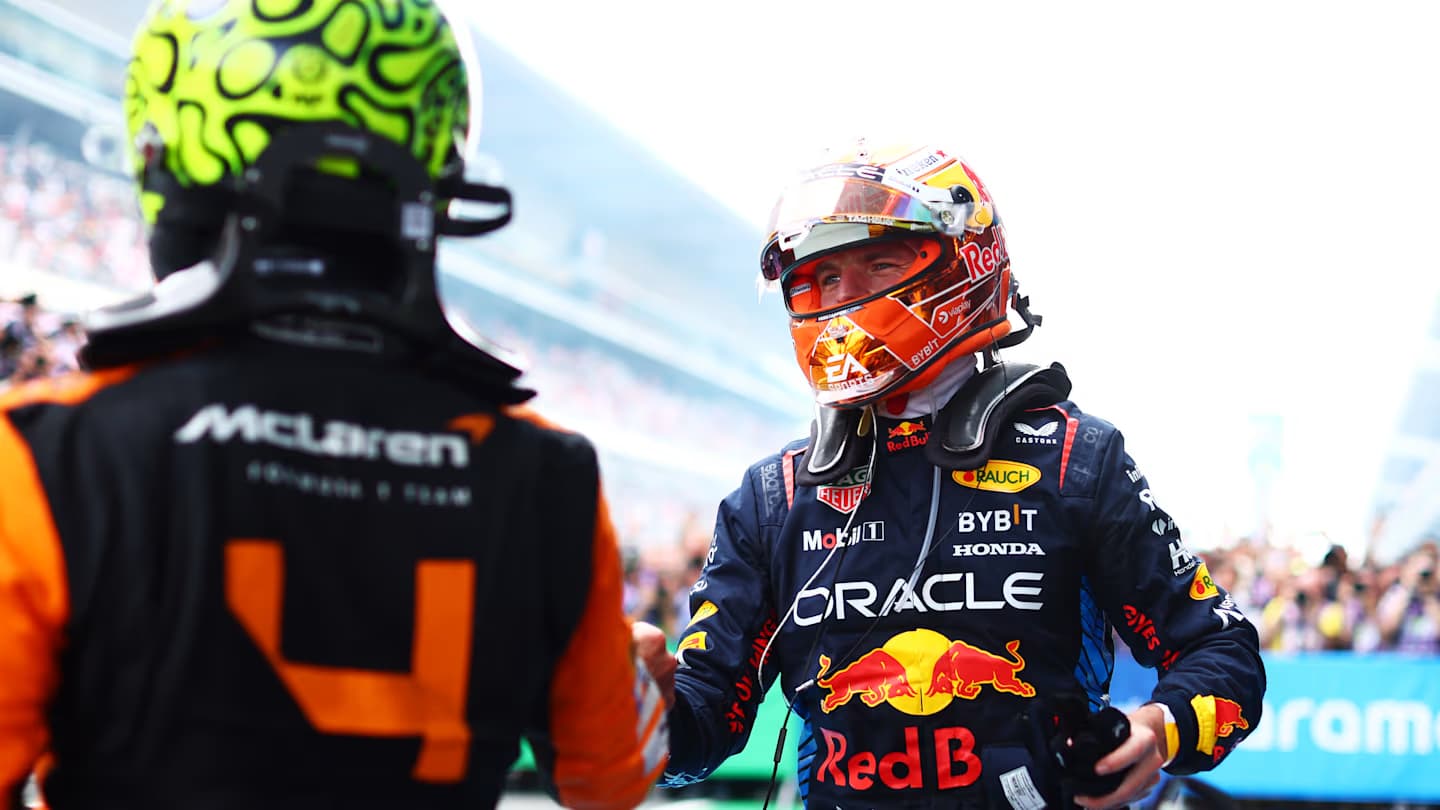
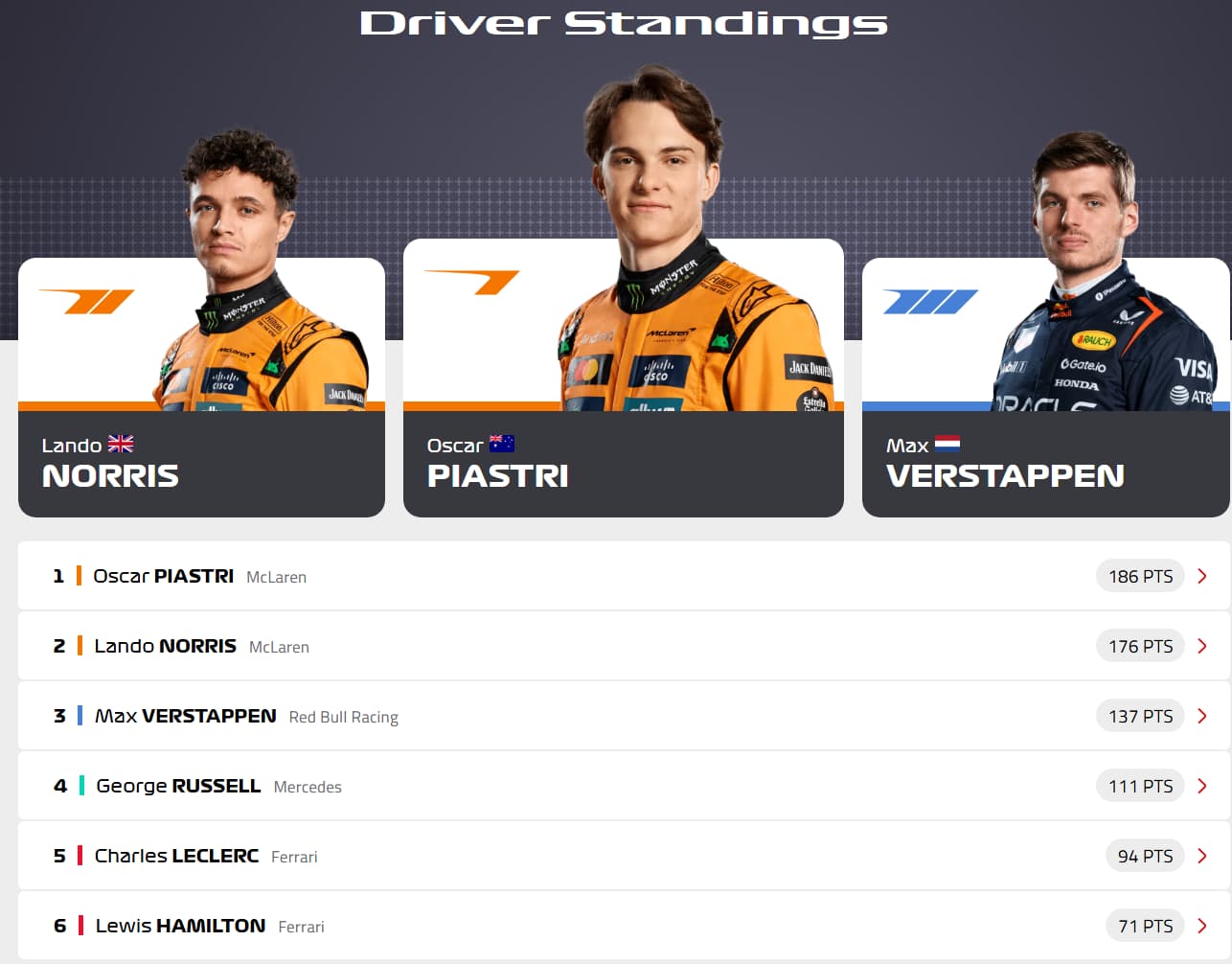
It’s off to Canada for Round 10 of the season this weekend. The McLaren pair still top the standings with Oscar Piastri 10 points ahead of Lando Norris. After his demotion in the last race in Spain, Max Verstappen holds onto 3rd in the standings, but now trails Norris by 39 points.
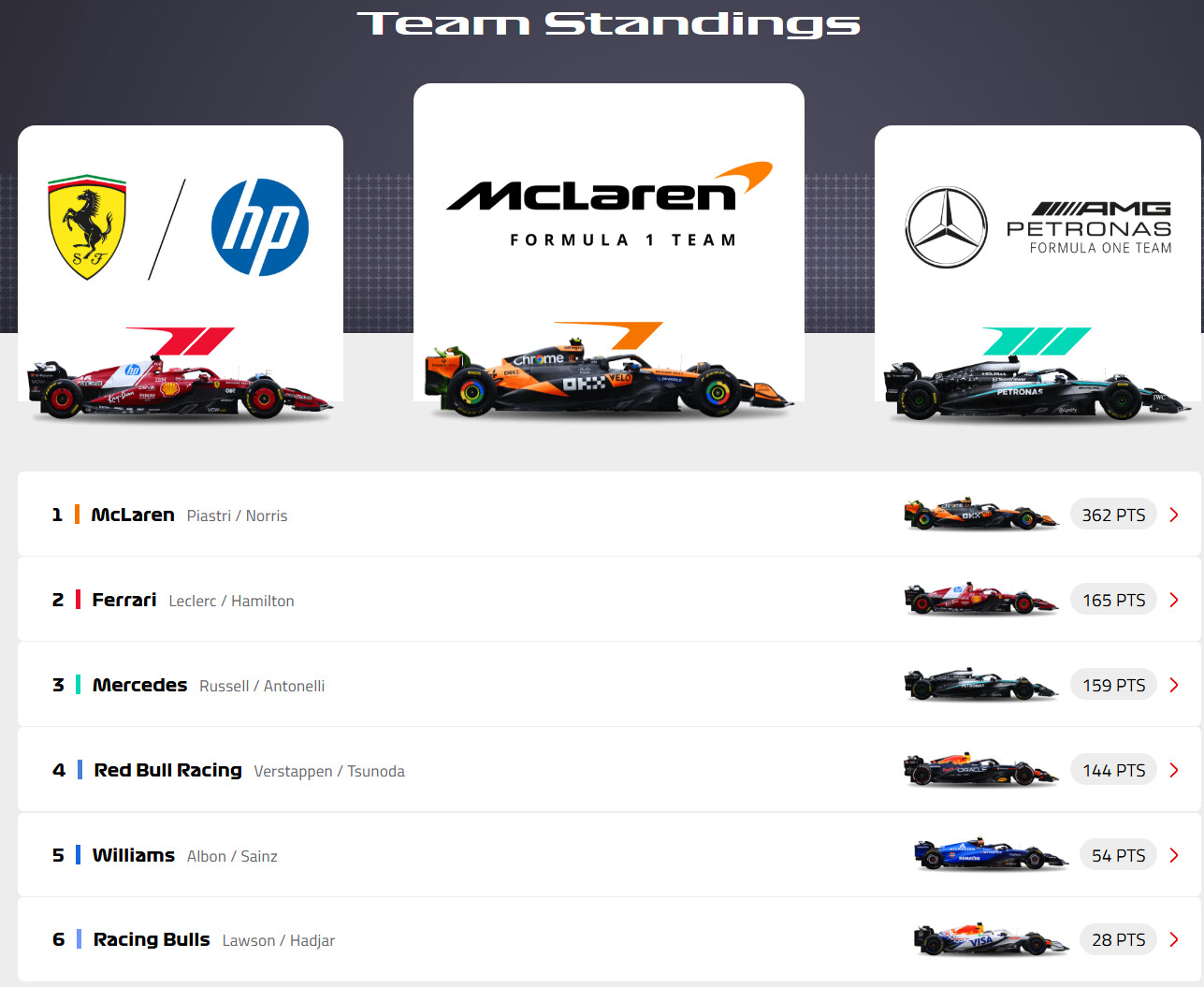
The P1 and P2 swapping that Norris and Piastri have been doing all season has put the papaya team well ahead in the Constructors’ standings. McLaren now lead with 362 points, over a somewhat surprising Ferrari team currently in P2, almost 200 points adrift. The Scuderia’s 165 points puts them just ahead of Mercedes on 159.
Max comes into the Canadian round with just 1 penalty point left on his license. Any transgression in either of the next two races - in Canada and Austria - and the reigning World Champion will face a one race ban.
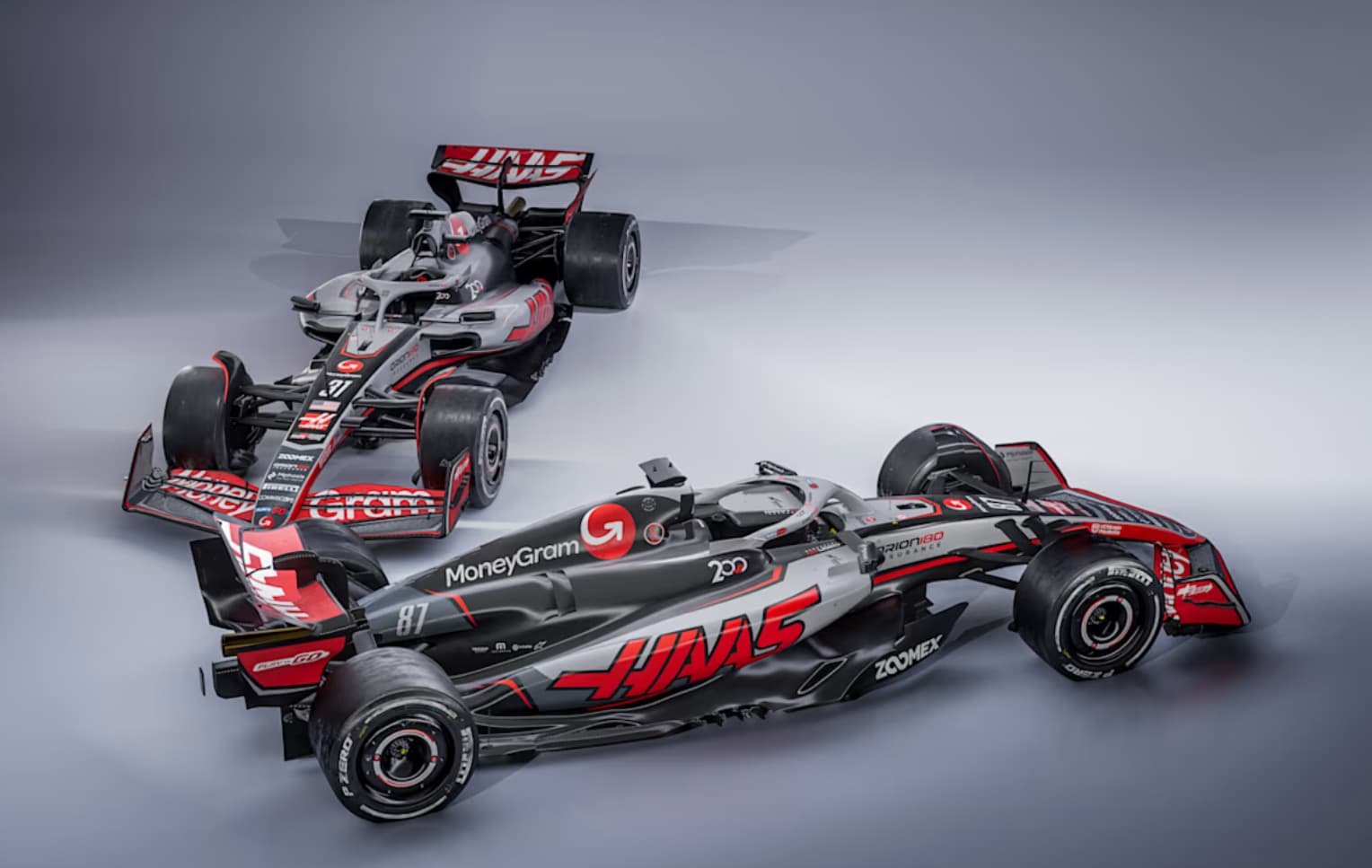
It’s a weekend of milestones for the Haas team who will run with a special livery to mark their 200th Formula 1 Grand Prix. And Yuki Tsunoda will drive with a special helmet design to celebrate his 100th GP.
The Vital Stats
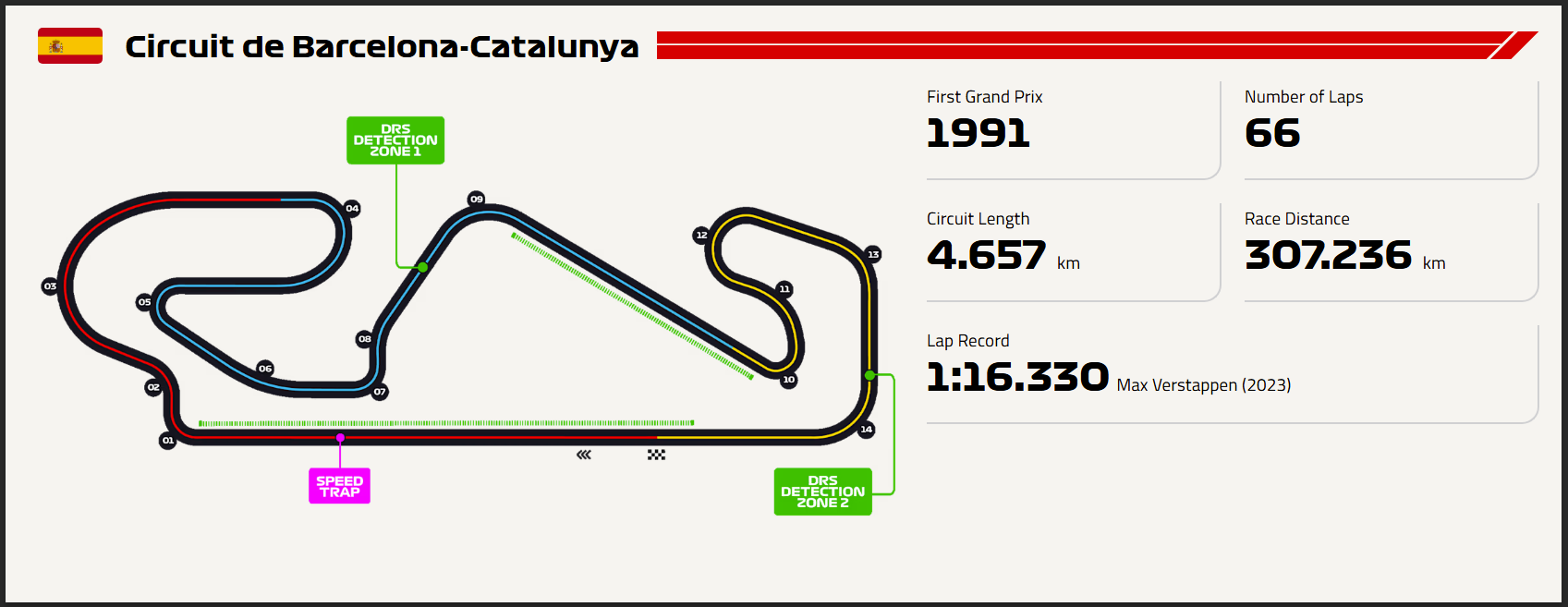
- First Grand Prix – 1967 (Mosport)
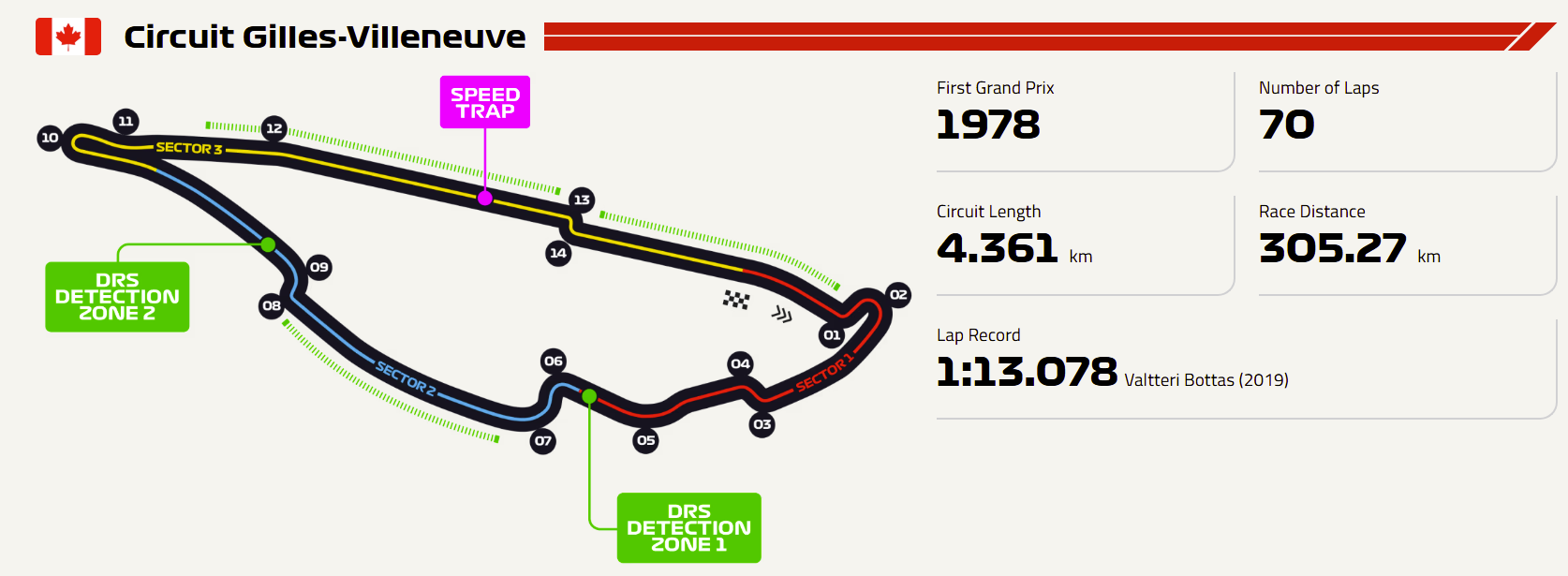
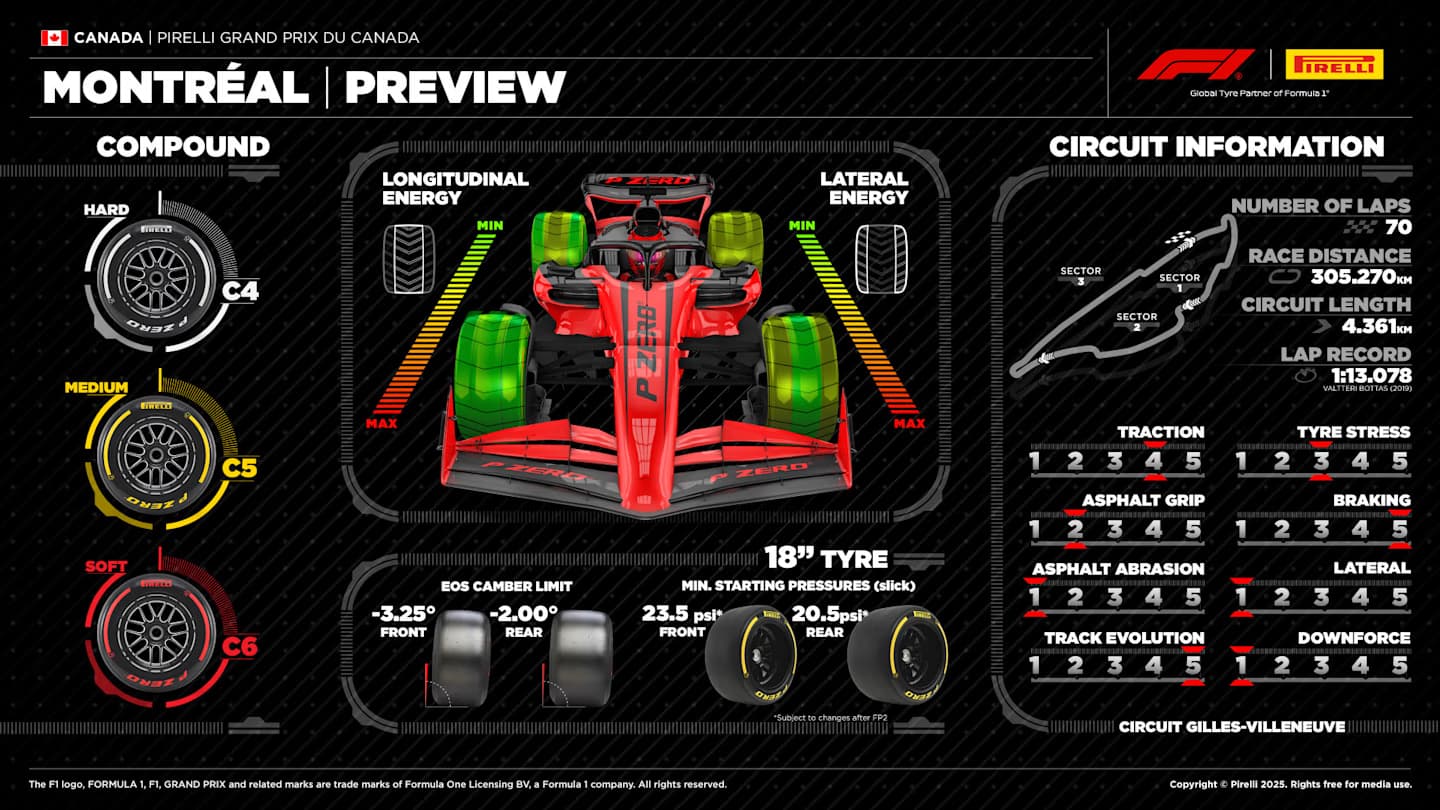
- Track Length – 4.361km
- Lap record – 1m 13.078s, Valtteri Bottas, Mercedes, 2019
- Most pole positions – Michael Schumacher and Lewis Hamilton (6)
- Most wins – Michael Schumacher and Lewis Hamilton (7)
- Pole run to Turn 1 braking point – 186 metres
- Overtakes completed in 2024 – 83
- Safety Car probability – 83%
- Virtual Safety Car probability – 50%
- Pit stop time loss – 18.4 seconds (including 2.5s stop)
- Trivia – Canada played host to the longest race in F1 history in 2011, with the clock stopping at four hours, four minutes and 39 seconds
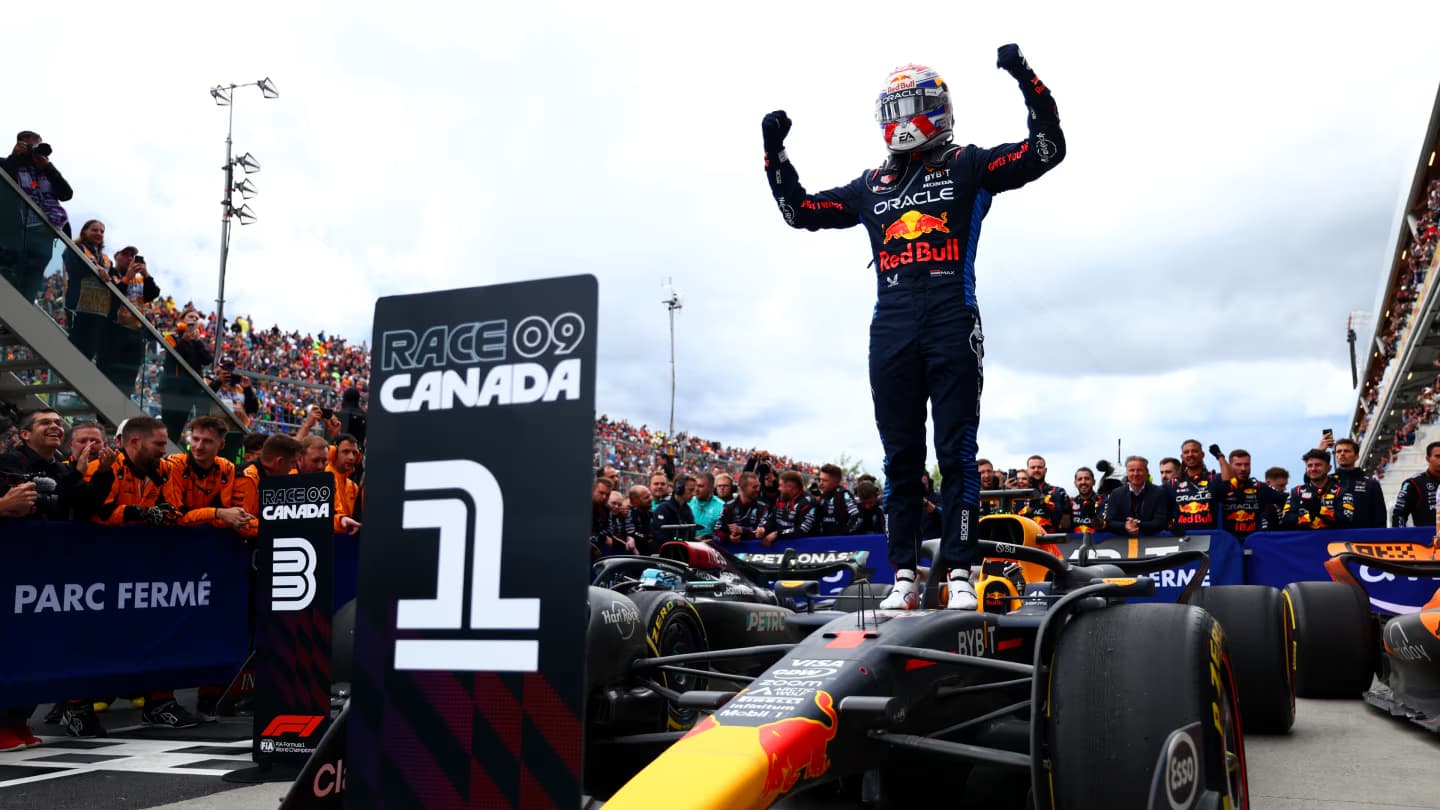
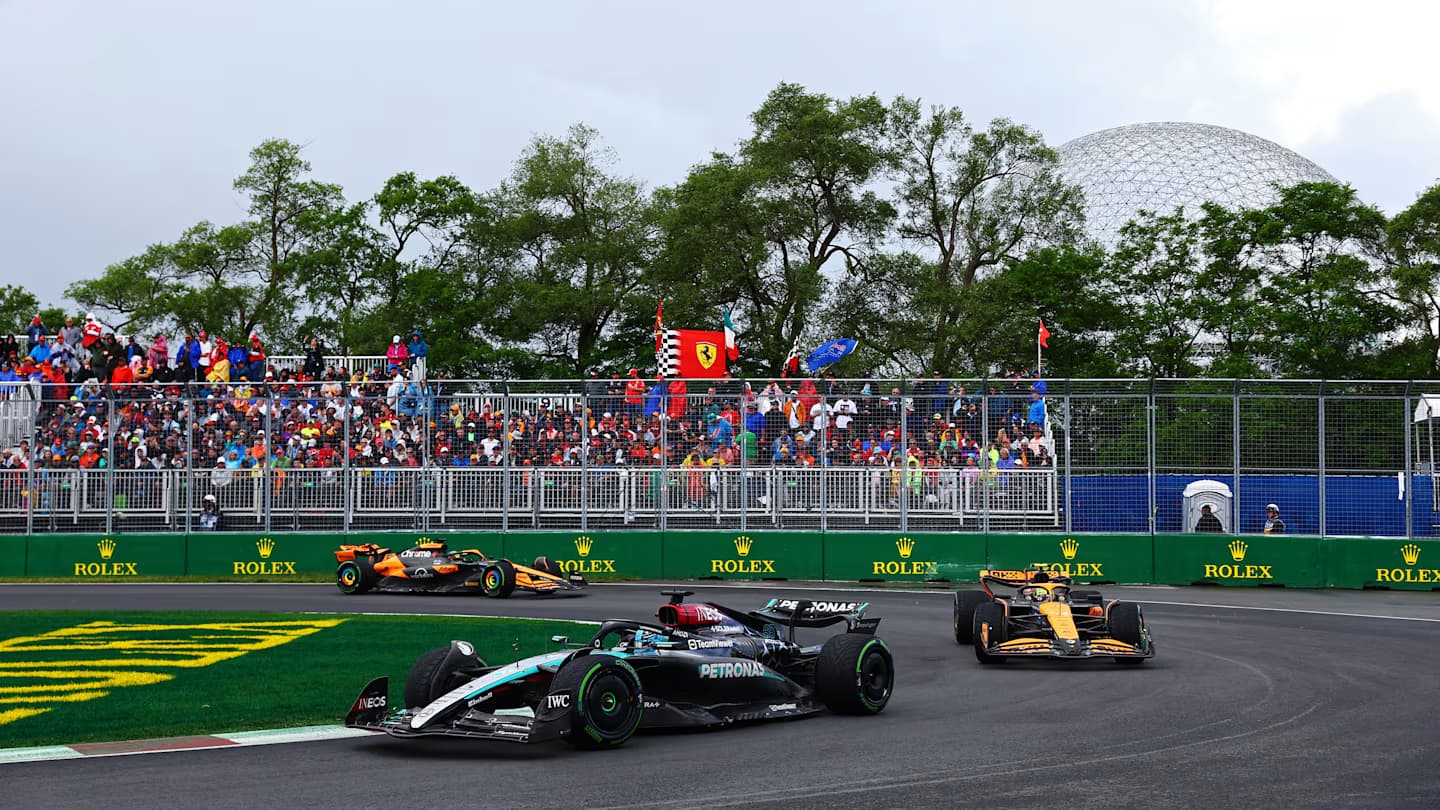
Last year saw a rain affected thriller, with Max ultimately triumphing over Lando and George. Here’s the highlights: Race Highlights | 2024 Canadian Grand Prix.
Last five Canadian GP polesitters
- 2024 – George Russell (Mercedes)
- 2023 – Max Verstappen (Red Bull)
- 2022 – Max Verstappen (Red Bull)
- 2019 – Sebastian Vettel (Ferrari)
- 2018 – Sebastian Vettel (Ferrari)
Last five Canadian GP winners
- 2024 – Max Verstappen (Red Bull)
- 2023 – Max Verstappen (Red Bull)
- 2022 – Max Verstappen (Red Bull)
- 2019 – Lewis Hamilton (Mercedes)
- 2018 – Sebastian Vettel (Ferrari)
The Schedule
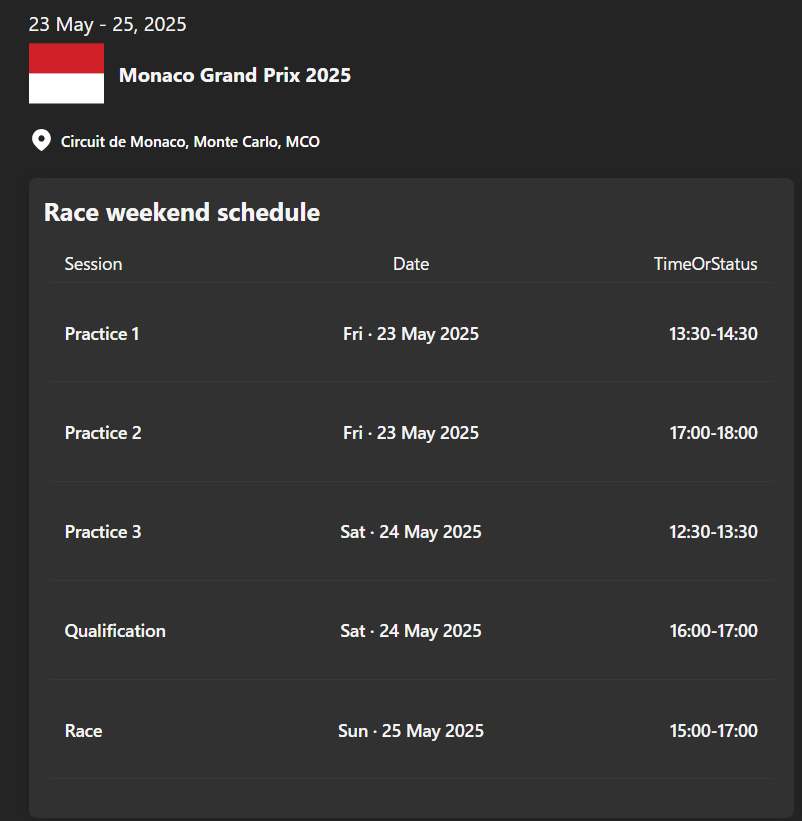
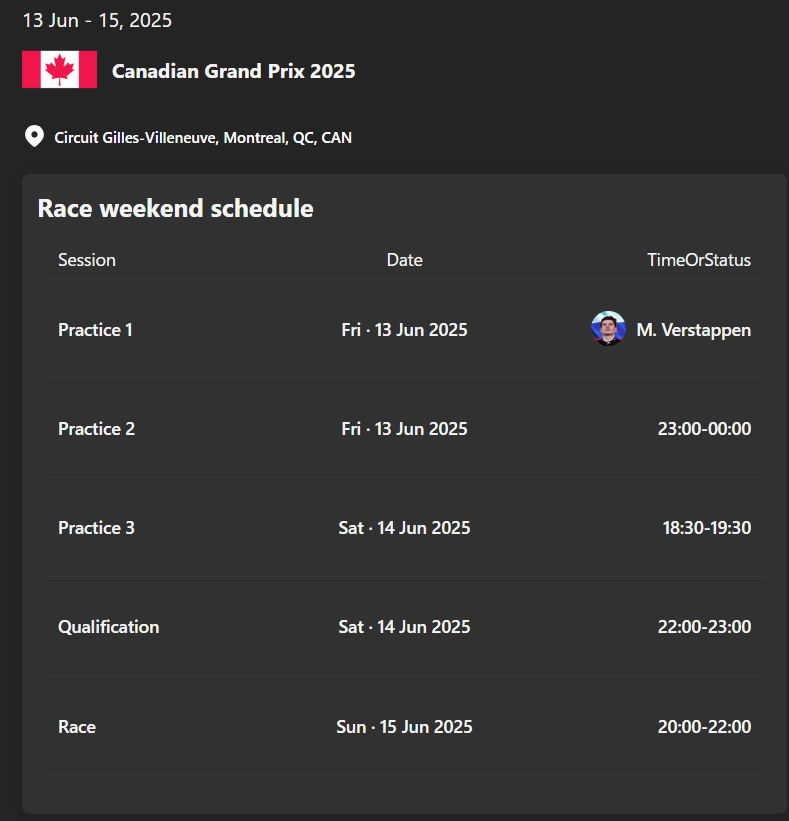
Standard day times in Canada mean some late night sessions for us here. Fortunately, Sunday’s race start at 20:00 isn’t too bad. And thanks to the rule changes after the record longest Grand Prix (4 hours, 4 minutes, 39 seconds) that was Canada 2011, even if the rain does come calling unexpectedly this year, the race should finish by midnight-ish.
The Circuit
When was the track built?
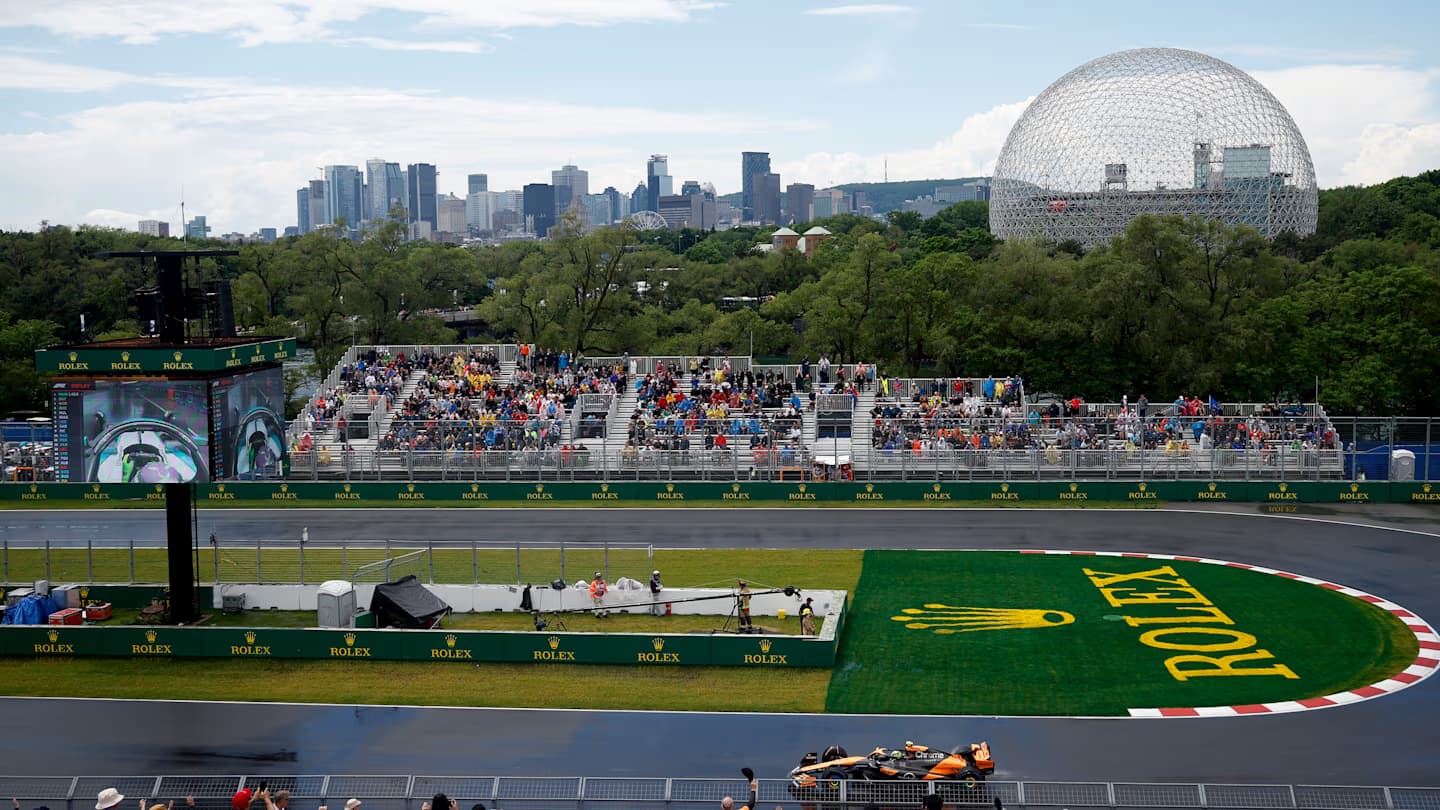
The man-made Notre Dame Island in the middle of the St Lawrence River was created for the 1967 Expo 67 World’s Fair. Once the expo and the ensuing 1976 Montreal Summer Olympics had left town, some clever people decided to make a race track out of the island’s roads. And lo, the Circuit Ile Notre-Dame, as it then was, came to be.
When was its first Grand Prix?
With the Canadian Grand Prix having been in search of a permanent home for a number of years in the 1960s and 1970s, the Circuit Ile Notre-Dame first hosted the race in 1978. Fittingly, Gilles Villeneuve claimed his maiden win, at the track that would end up bearing his name.
What’s the circuit like?
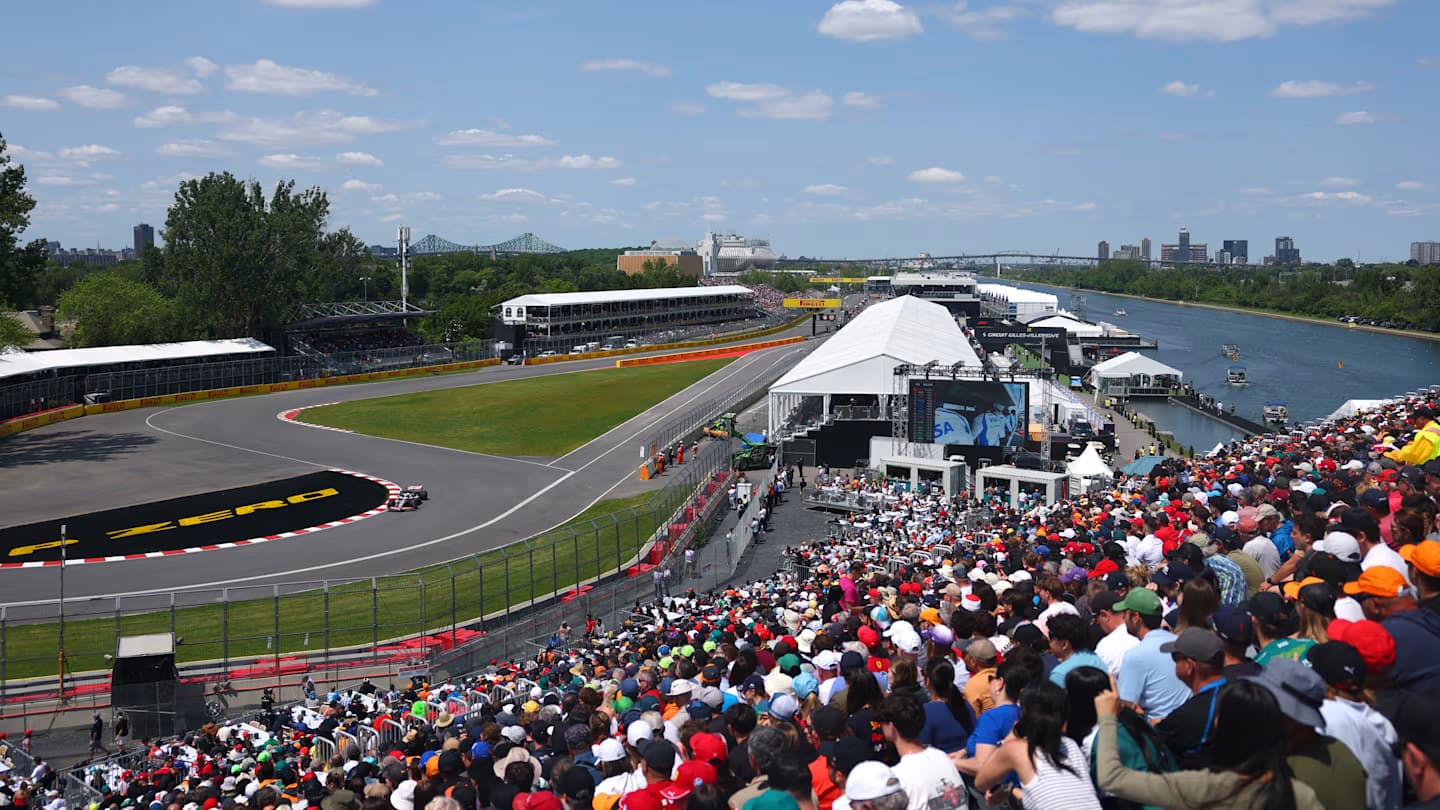
The fast, low-downforce circuit is one of the drivers’ favourites. The track is quite stop-start, with lots of heavy-braking chicanes and the famous hairpin to get the anchors working hard. Out of the corners, though, the track is quick and flowing, while the most iconic piece of the circuit comes right at the end of the lap: the Wall of Champions, so-called after excursions into it from Damon Hill, Jacques Villeneuve and Michael Schumacher during the 1999 Canadian Grand Prix weekend.
Jolyon Palmer, former Renault F1 driver:
Canada is a really nice track to drive and you get a sense of atmosphere going around it. Overhanging trees give it the feel of a park and it feels like a street circuit – in essence, it is.
There are a lot of slow-speed corners, the walls are very close in a lot of places, but it’s a great racetrack. You need a good front-end to get your car turned into the chicanes, which are pretty much everywhere.
Then there’s the hairpin, which launches you into an overtaking area at the final chicane. If not there, maybe you’ll have a little sniff of something into Turn 1. Turns 1 and 2 are pretty tricky because you’re approaching Turn 1 very, very fast, arcing to the right as you’re braking, and then hurling speed to the left.
If you have any sort of moment coming to Turn 1, you’re really off-line or cutting the corner down towards Turn 2. And tyre warm-up sometimes isn’t ideal here, particularly on chillier days in Montreal.
The Weather
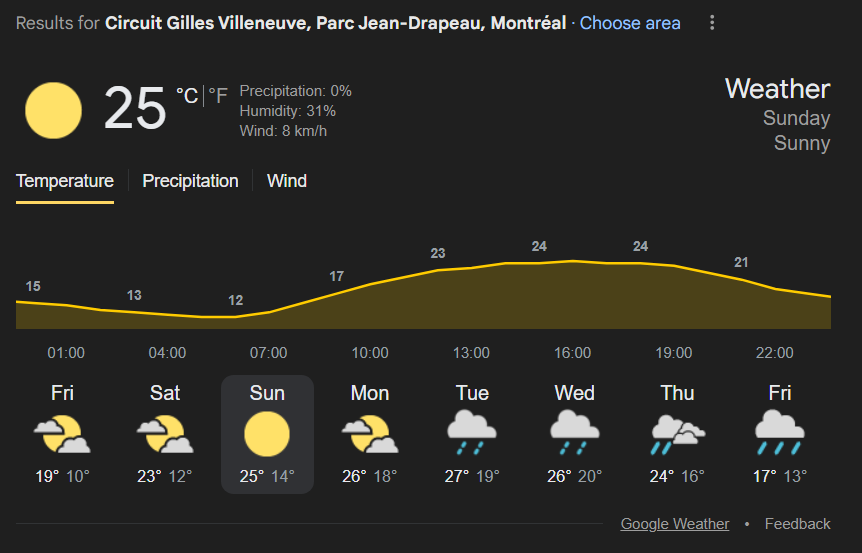
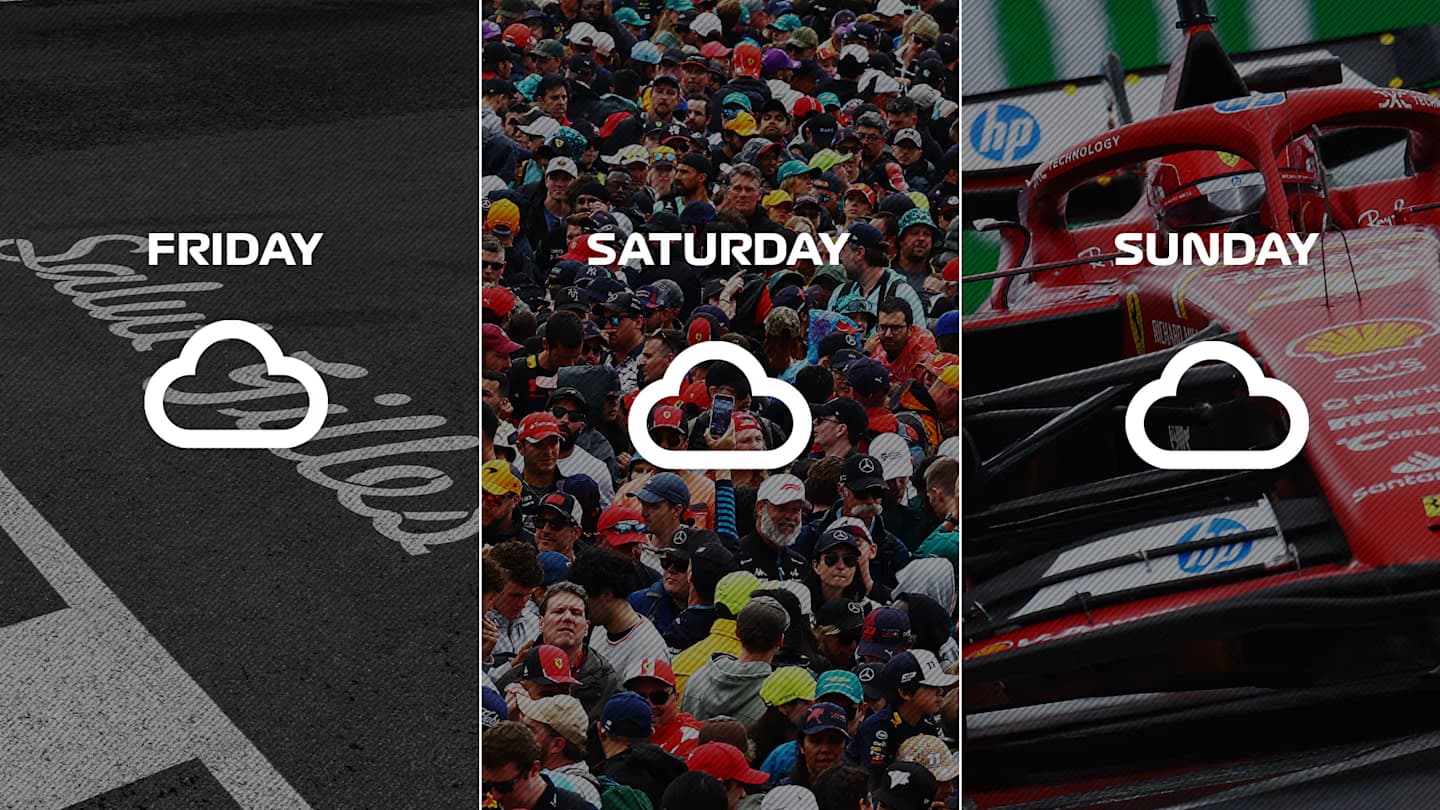
After last years heavy rain, it’s always worth keeping an eye on the Montreal weather. At this stage though, things look to be cool, overcast, and dry with only an outside chance of some light overnight rain on Saturday night through to early Sunday.
Friday, 13 June – FP1 and FP2
- Sunny at first before arrival of a veil of high level clouds from noon becoming thicker in the evening. Dry day expected. Light northwesterly wind backing westerly in the afternoon.
- FP1: 19°C // FP2: 20°C
- Chance of rain: 0%
Saturday, 14 June – FP3 and QUALIFYING
- Veil of high clouds at first becoming sunny in the afternoon. Dry day expected. Light northeasterly wind. At this range, confidence in the forecast is low and depends of the location of the low pressure area expected over Ontario.
- FP3: 20°C // Q: 22°C
- Chance of rain: <20%
Sunday, 15 June – RACE
- At this range, air mass expected to become drier giving a sunny and dry day. Very light wind. As Saturday, confidence in the forecast is low and depends of the location of the disturbance.
- Race start: 23°C
- Chance of rain: 20%
The Tyres
For the third time this season, the softest trio of compounds will feature on track. That means, after appearing for the first time in Imola and again in Monaco, the C6 will be in use, alongside its closest relatives, the C5 as medium and the C4 as hard.
The selection is therefore one step softer than last year when the chosen compounds were the C3, C4 and C5. This weekend, when using the new C6, teams and drivers will be able to make the most of the information and data gathered at its two previous appearances.
The Gilles-Villeneuve Circuit is a track where the lateral forces exerted on the tyres are medium to low, while the longitudinal ones are a bit more severe, although not particularly high, because of the cars being subjected to strong deceleration followed by sharp acceleration.
The track surface is very smooth and not very abrasive and is never used for racing apart from the Grand Prix weekend. Graining, especially during free practice on Friday, could put in an appearance, but as the track gradually rubbers-in it shouldn’t be a factor. Lap times come down really quickly, not just from one day to the next, but also during each session.
On top of that, the unpredictable and changeable weather is a factor to consider, a wildcard that’s been known to disrupt the on-track action here, while fluctuating temperatures are a feature of the Montreal event.
The Standings